
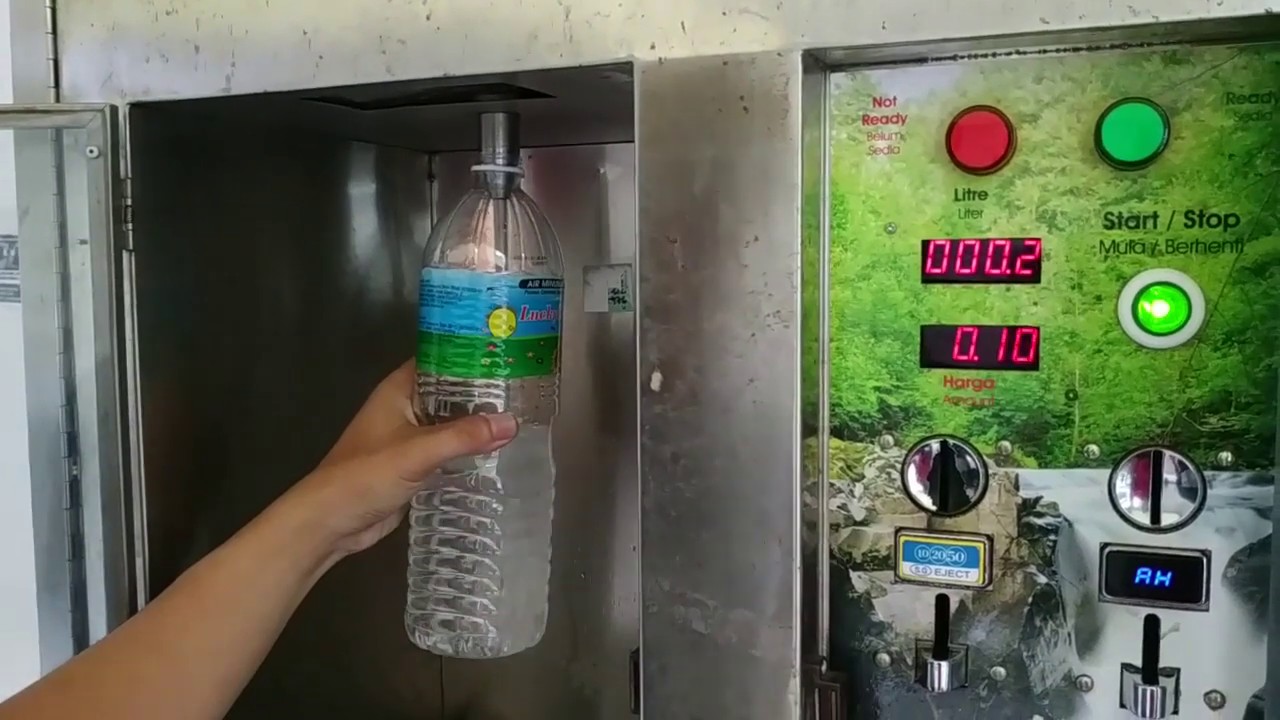
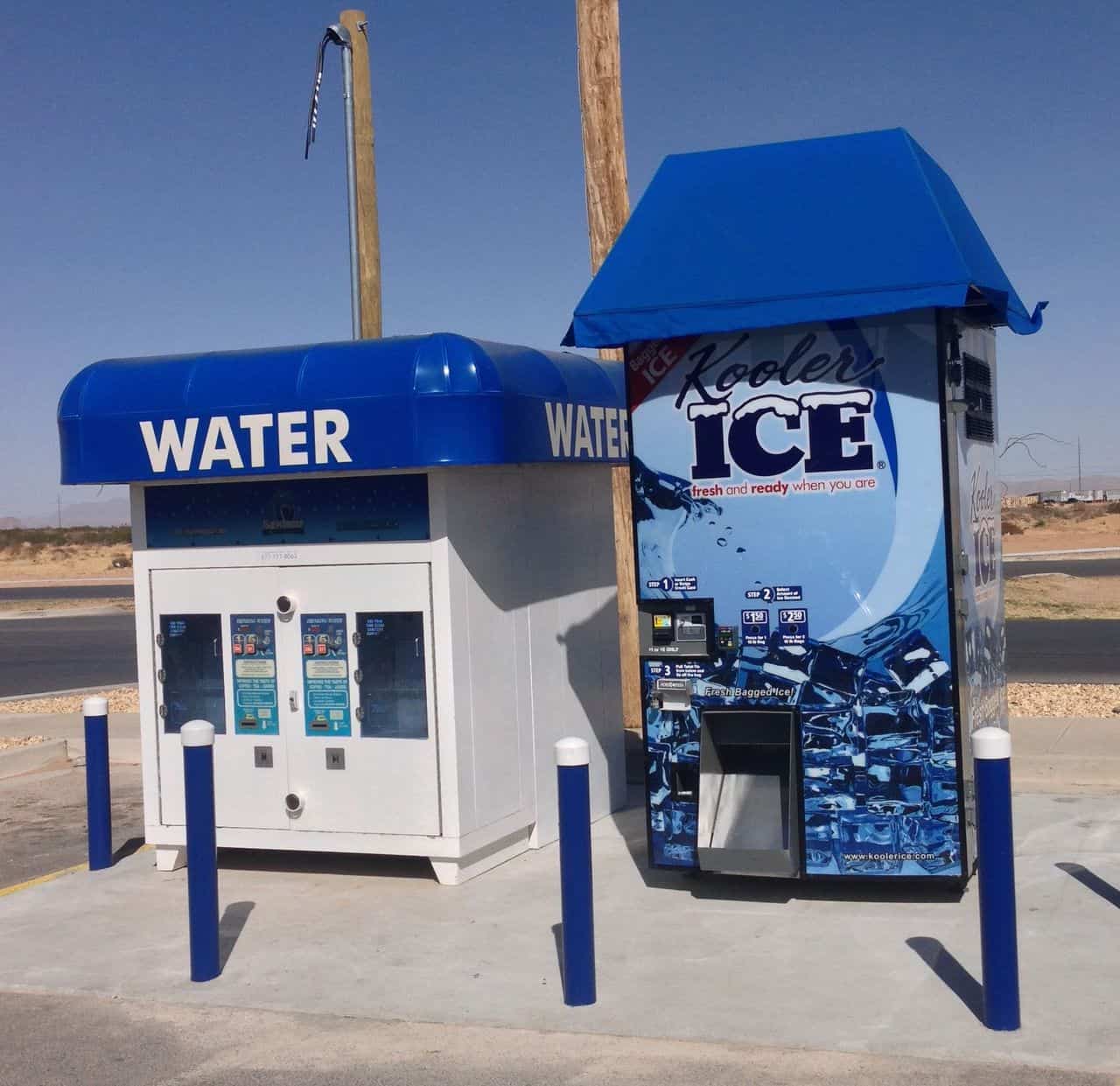
Ice and water vending operators play a critical role in providing consumers with convenient access to purified water and ice. However, operating in the ice and water vending machine business requires compliance with a range of regulatory requirements to ensure consumer safety, environmental responsibility, and legal compliance. In this article, we’ll explore the essential regulatory considerations that ice and water vending operators must navigate to operate successfully and responsibly.
Water Quality Regulations
Ensuring the quality and safety of the water dispensed by vending machines is paramount to protecting consumer health. Ice and water vending operators must comply with water quality regulations established by local health departments, environmental agencies, and regulatory bodies. These regulations typically set standards for water purification, filtration, disinfection, and testing to ensure that the water meets or exceeds drinking water quality standards. Operators may be required to install and maintain water treatment systems, conduct regular water testing, and keep detailed records of water quality monitoring activities to demonstrate compliance with regulatory requirements.
Food Safety Standards
Ice is considered a food product, and as such, ice vending operators must adhere to food safety standards and regulations to prevent contamination and ensure product safety. Operators should follow good manufacturing practices (GMP) and implement proper hygiene and sanitation protocols to prevent microbial contamination of ice during production, storage, and dispensing. Additionally, ice vending machines should be designed, constructed, and maintained to prevent physical, chemical, and biological hazards that could compromise the safety of the ice.
Permitting and Licensing
Ice and water vending operators may be required to obtain various permits, licenses, and approvals from regulatory authorities before installing and operating vending machines. These permits may include business licenses, vending machine permits, health permits, environmental permits, and water use permits, depending on local regulations and jurisdictional requirements. Operators should familiarize themselves with the permitting process and ensure that they have all necessary approvals in place before commencing operations to avoid potential legal issues and penalties.
Compliance with Weights and Measures
Ice vending operators must comply with weights and measures regulations governing the accuracy and integrity of vending machine transactions. These regulations ensure that consumers receive the quantity of ice they pay for and protect against deceptive practices such as underfilling or overcharging. Operators should calibrate vending machines regularly, display accurate pricing information, and provide consumers with clear and transparent pricing structures to maintain compliance with weights and measures regulations.
Environmental Regulations
Ice and water vending operators must comply with environmental regulations governing the operation and maintenance of vending machines to minimize environmental impact and ensure sustainability. Environmental regulations may address issues such as waste management, wastewater disposal, energy consumption, and air emissions associated with vending machine operations. Operators should implement environmentally friendly practices, such as recycling ice bags and minimizing water and energy usage, to reduce their environmental footprint and comply with regulatory requirements.
Accessibility and ADA Compliance
Ice and water vending operators should ensure that their vending machines are accessible to all consumers, including individuals with disabilities, in compliance with the Americans with Disabilities Act (ADA) and other accessibility standards. This may involve installing accessible features such as wheelchair-accessible pathways, tactile controls, and signage, as well as ensuring that vending machine locations are easily reachable for individuals with mobility impairments.
Conclusion
Navigating regulatory considerations is essential for ice and water vending operators to operate legally, responsibly, and safely. By understanding and complying with water quality regulations, food safety standards, permitting and licensing requirements, weights and measures regulations, environmental regulations, and accessibility standards, operators can ensure regulatory compliance and maintain consumer trust and confidence in their vending machines. Staying informed about regulatory changes and working closely with regulatory authorities can help operators navigate the complexities of regulatory compliance and operate successful and sustainable vending businesses in the ice and water sector.