
Food safety is paramount in any food-related business, ensuring that consumers are protected from potential health risks. Food safety standards encompass guidelines, regulations, and best practices designed to prevent foodborne illnesses and ensure the safety and quality of food products. These standards cover aspects such as handling, storage, preparation, and serving of food, as well as hygiene practices in food establishments. In this article, we’ll explore the importance of food safety standards, how they contribute to hygiene and compliance in food operations and practical tips for maintaining high standards.
Importance of Food Safety in Food Operations
- Consumer Protection: Food safety standards protect consumers from foodborne illnesses caused by contamination, improper handling, or storage of food.
- Public Health: Maintaining food safety contributes to public health by reducing the risk of foodborne diseases and promoting overall well-being.
- Legal Compliance: Adhering to food safety standards is a legal requirement for food businesses, ensuring they meet regulatory requirements and avoid penalties or closures.
- Business Reputation: High food safety standards enhance the reputation of food establishments, building trust with customers and attracting repeat business.
Key Elements of Food Safety Standards
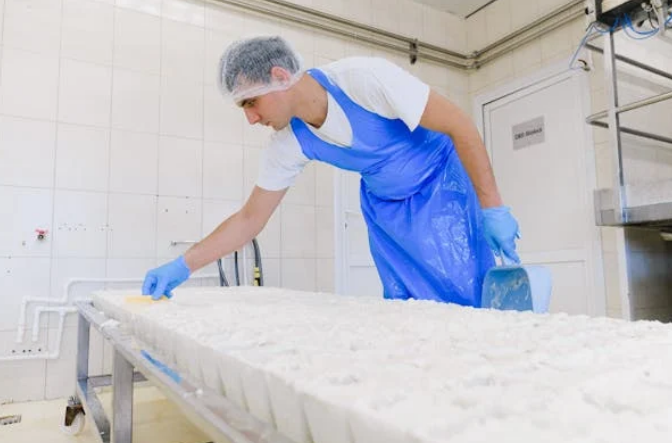
- Personal Hygiene: Proper handwashing, wearing clean uniforms, and avoiding contamination from personal items are essential for maintaining food safety.
- Food Handling and Storage: Correct handling, storage, and temperature control of food items prevent bacterial growth and food spoilage.
- Cleaning and Sanitization: Regular cleaning and sanitization of food preparation areas, equipment, and utensils reduce the risk of cross-contamination.
- Pest Control: Effective pest control measures prevent pests such as rodents, insects, and birds from contaminating food products and premises.
- Training and Education: Training employees on food safety practices, hygiene standards, and proper handling of food items ensures compliance and reduces risks.
Tips for Ensuring Food Safety in Operations
- Implement HACCP: Hazard Analysis and Critical Control Points (HACCP) is a systematic approach to identifying, evaluating, and controlling food safety hazards throughout the production process.
- Monitor Temperature: Regularly monitor and record temperatures of food storage units, refrigerators, and cooking equipment to ensure food remains safe for consumption.
- Labeling and Dating: Properly label and date food items to track expiration dates, prevent food spoilage, and maintain inventory control.
- Allergen Awareness: Train staff to identify and handle allergens properly and clearly label menu items containing allergens to prevent allergic reactions.
- Regular Inspections: Conduct regular inspections and audits of food operations to identify areas for improvement, address compliance issues, and maintain hygiene standards.
Continuous Improvement and Adaptation
Food safety standards are dynamic and evolve with advancements in technology, research, and regulatory changes. Therefore, it’s essential for food businesses to stay informed, adapt to new standards, and continuously improve their food safety practices to ensure ongoing compliance and consumer protection.
Food safety standards play a vital role in safeguarding public health, maintaining legal compliance, and building trust with consumers. By prioritizing hygiene, following best practices, training employees, and staying updated on regulations, food operations can uphold high food safety standards and contribute to a healthier, safer food environment for everyone.…
 Finally, a combi oven can help you to double your production outcomes. This is because the oven can be used to cook multiple items simultaneously. This means that you can cook two different dishes at once or cook one dish and then use the other side of the oven to reheat another dish. This can be a great way to increase your production and efficiency. This is why many restaurants are now using combi ovens to help them improve their food operations.